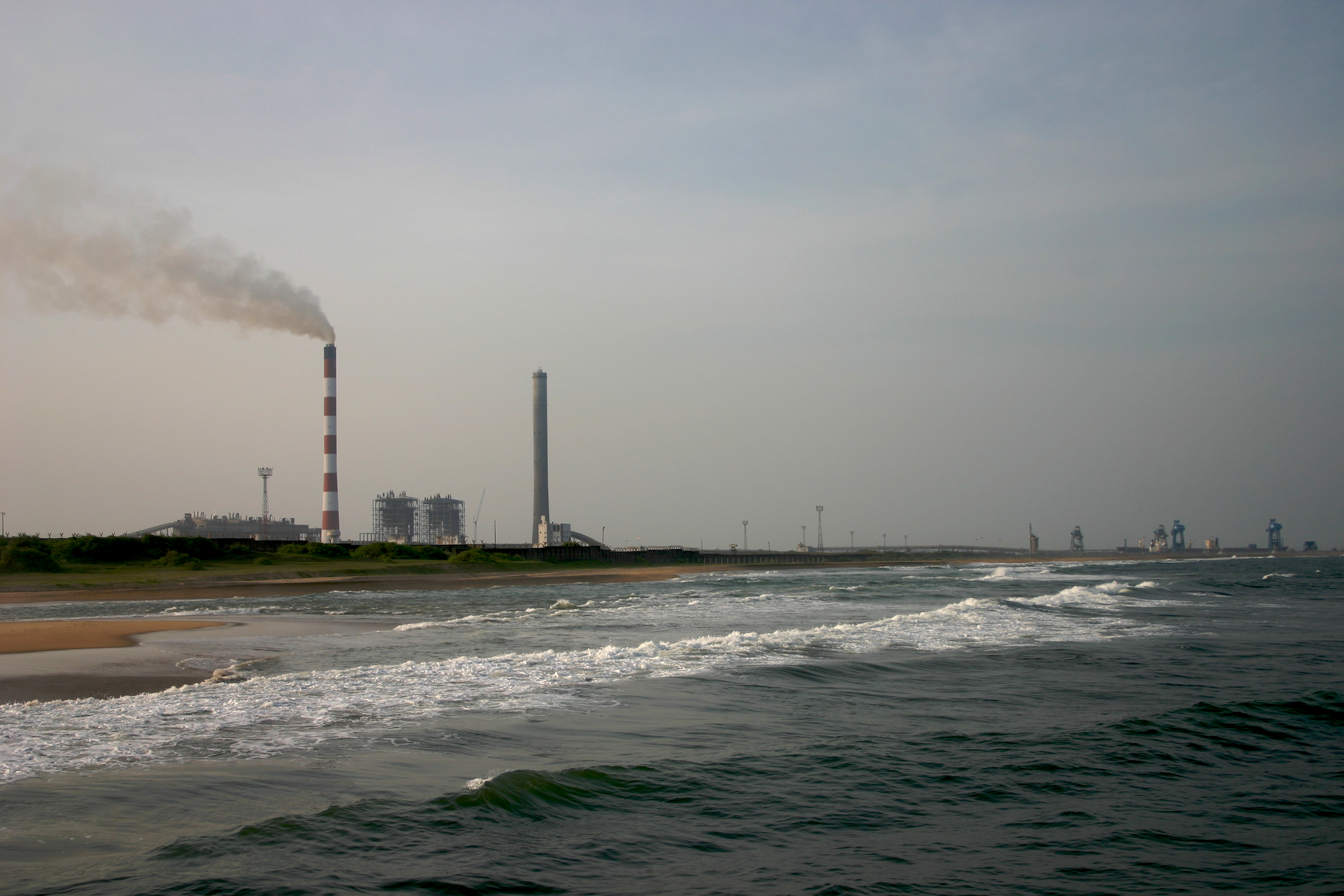
According to scientists, the level of mercury in our seas have had a dramatic increase of 30% over the past twenty years. This is also estimated to be increased by another 50% in the next few decades.
The Environmental Protection Agency have found that coal power plants are the leading cause of this pollution, as the emissions dispense mercury into the sea.
This then contaminates the life in these waters such as the fish, which we then eat, especially in the form of tuna . This neurotoxin can have a significant impact on neurological development causing many different health problems such as learning difficulties.
This form of sea pollution is especially concerning because not only does it cause harm to our environment, it also affects our bodies directly through the food that we eat. These mercury levels in the sea are predicted to rise .
A study carried out by the Biodiversity Research Institute (BRI) and IPEN, found that women from small-island states and villages have dangerous levels of mercury, which can also cause harm to unborn babies.
Furthermore, according to a study by the American Geophysical Union, if these mercury levels continue to increase at this rate, the Pacific Ocean will contain over 50% more mercury within the next four decades. The study also demonstrates how these emissions can be released in different parts of the world, but can still end up in our seas.
“This study is critically important to the health and safety of the American people and our wildlife because it helps us understand the relationship between atmospheric emissions of mercury and concentrations of mercury in marine fish,”
Quote from the Secretary of the Interior Ken Salazar
According to Bloom and Crecelius, 1983 and Cossa et al., 1997, the actual water and sediments do not contain a lot of mercury, but the concern is with the contamination of the food chain.
This shows how the sea can have such a direct impact on our health without many of us even realising it. Often the significance of the sea is forgotten about in our day to day lives, which is why it is so vital to raise awareness of these marine issues.